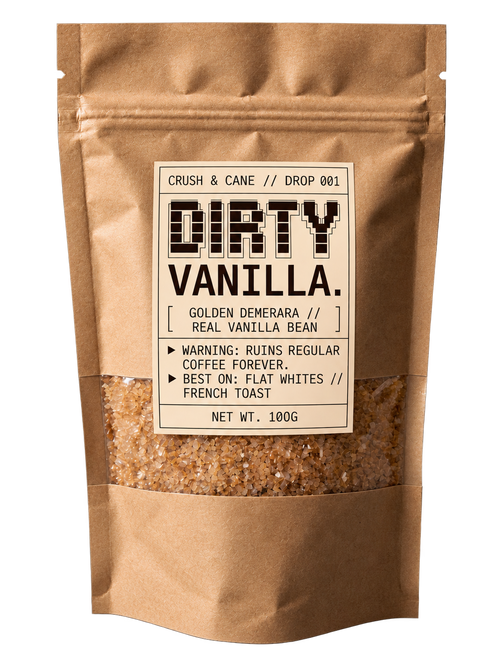
Sugar turning into a solid brick at the back of the cupboard is one of the most common kitchen annoyances, and it is almost always caused by the same thing: moisture.
Why sugar clumps in the first place
Sugar is hygroscopic, meaning it absorbs moisture from the air around it. When that moisture evaporates back out, it leaves behind sugar crystals that have partially dissolved and re-hardened together, binding the whole batch into clumps or a solid block. Humid kitchens, damp storage spots, and packaging left open all make this worse.
How to fix sugar that has already clumped
- Microwave method: place the sugar in a microwave-safe bowl with a slightly damp paper towel loosely on top, and heat in 20 second bursts, breaking it up with a fork between each burst.
- Bread trick: add a slice of fresh bread to the sealed container and leave it for a day or two. The sugar draws moisture from the bread rather than the air, softening the clumps.
- Food processor: for sugar that has hardened but not fully solidified, a quick pulse in a food processor or blender can break it back into usable granules.
- Rolling pin: for smaller clumps, seal the sugar in a bag and roll over it firmly to break it apart.
How to stop it happening again
- Store sugar in an airtight container, not the bag it came in
- Keep it somewhere cool and dry, away from the stove, kettle, or dishwasher steam
- Add a food-safe silica gel packet or a few dry rice grains wrapped in a paper towel to absorb excess moisture
- Reseal the container properly every time, rather than leaving the lid loose
A note on flavoured sugar
Sugars blended with real ingredients, like vanilla beans or fruit powder, hold slightly more natural moisture than plain white sugar, which is part of why getting the ratios right during production matters. A well made batch of Dirty Vanilla or Juicy Strawberry is tested for exactly this before it gets packed, so it should stay loose and scoopable as long as it is kept sealed and dry.